Lydia, Sardes. Time of Croesus, c. 561-546 BC
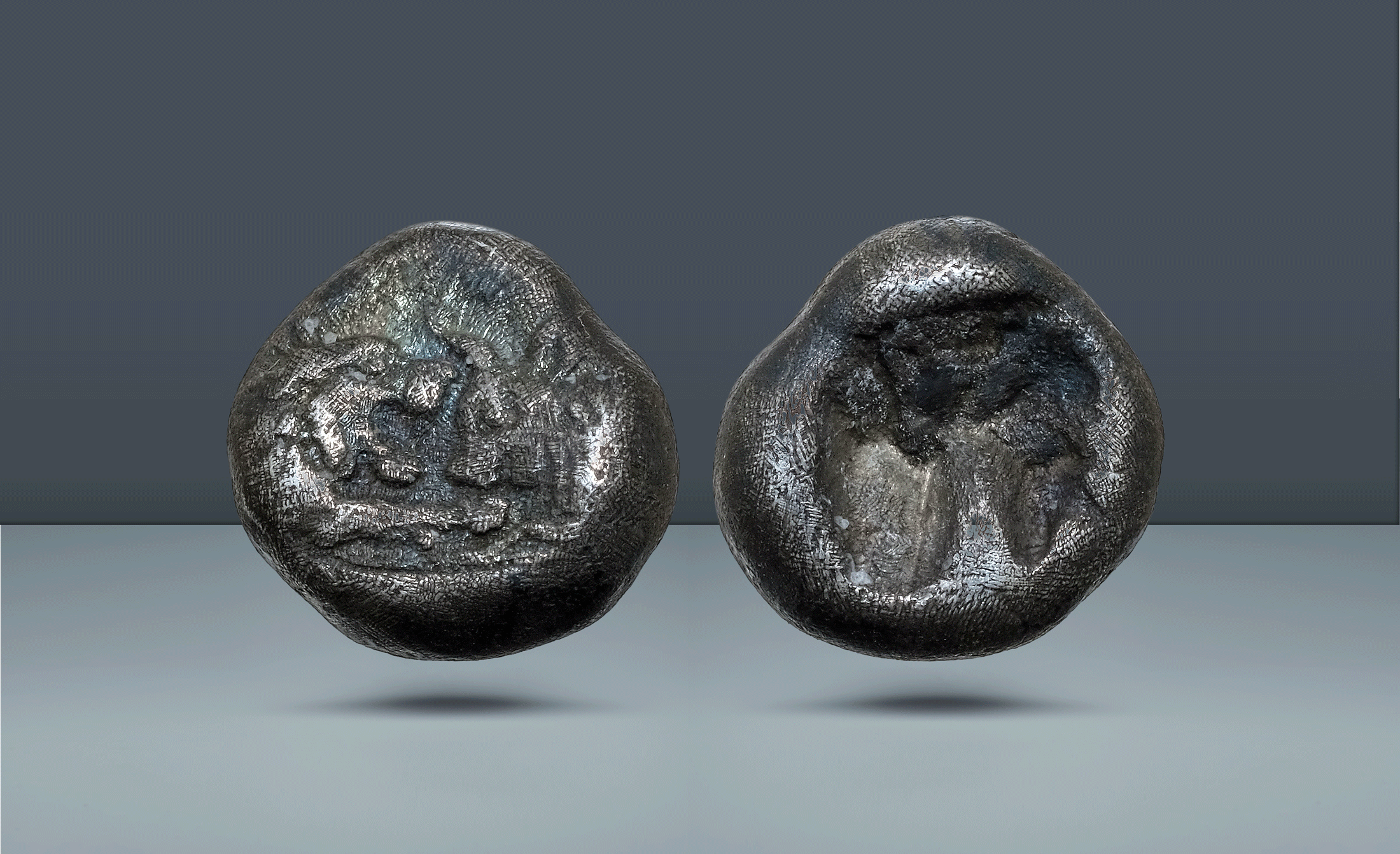
Lydia, Sardes. Time of Croesus, c. 561-546 BC
AR 1/12 Stater,0.83g(8.00mm, n/a).
Confronted foreparts of lion and bull. Rev. Incuse punch.
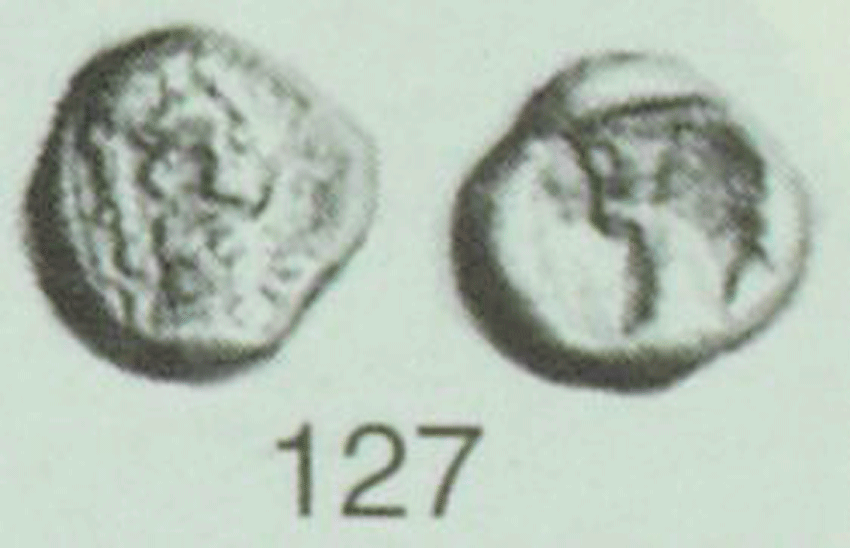
Pedigree: Ex Schenk-Behrens 82, 2001, 127 and Künker 312, 2018, 2468 sales. From the Eberhard Link collection.
References: Traite II, 413. Berk 26.
Grade: Well struck for type. Porous surfaces. Good VF+
gk2154
Scroll down for more information about this coin.
The coinage of Croesus represents one of the most pivotal innovations in the history of money itself-a moment when the concept of standardized, state-backed currency transformed the Mediterranean world. The Lydian king, who ruled from approximately 560 to 546 BC, did not invent coinage (that credit belongs to the earlier Lydian rulers and perhaps the Ionian Greeks), but he perfected it and imposed upon it the full authority and resources of his kingdom, creating a monetary system that became the template for the Hellenistic and Roman worlds that followed.
Croesus's legendary wealth-preserved in the ancient aphorism "as rich as Croesus"-was not merely mythological grandeur but was grounded in the tangible reality of his coin production. His staters circulated throughout the Near East and Greece, backed by the vast gold reserves of the Pactolus River and the administrative machinery of the Lydian state. What made these coins revolutionary was their standardization. Each stater maintained a consistent weight and fineness, eliminating the uncertainty that had plagued earlier forms of exchange. A merchant in Ephesus or Athens could receive a Croeseid stater with absolute confidence in its value.
The iconography itself-typically a lion and a bull confronting one another, or sometimes the foreparts of both beasts combined-embodied royal authority and the cosmic order. The lion represented the power of the monarchy; the bull represented agricultural fertility and terrestrial prosperity. Together, they announced to the world that this coinage emanated from a king of supreme power and that it carried his personal guarantee of weight and purity.
Croesus's coinage system was revolutionary in another respect: it established bimetallism on a large scale. His gold and silver staters circulated in parallel, with a carefully maintained ratio that allowed them to function together in a single monetary ecosystem. This dual-metal standard would influence monetary thinking for centuries.
When Croesus fell to Cyrus and the Persians in 546 BC, his coinage tradition did not perish with him. The Persian Empire adopted and adapted his monetary innovations, issuing their own staters and establishing the gold daric as the imperial standard. His legacy thus became embedded in the very structure of ancient commerce, a testament to the power of monetary innovation to shape history.