Thrace, Thraco-Macedonian tribes. Lete or Berge, c. 525-480 BC
Thrace, Thraco-Macedonian tribes. Lete or Berge, c. 525-480 BC
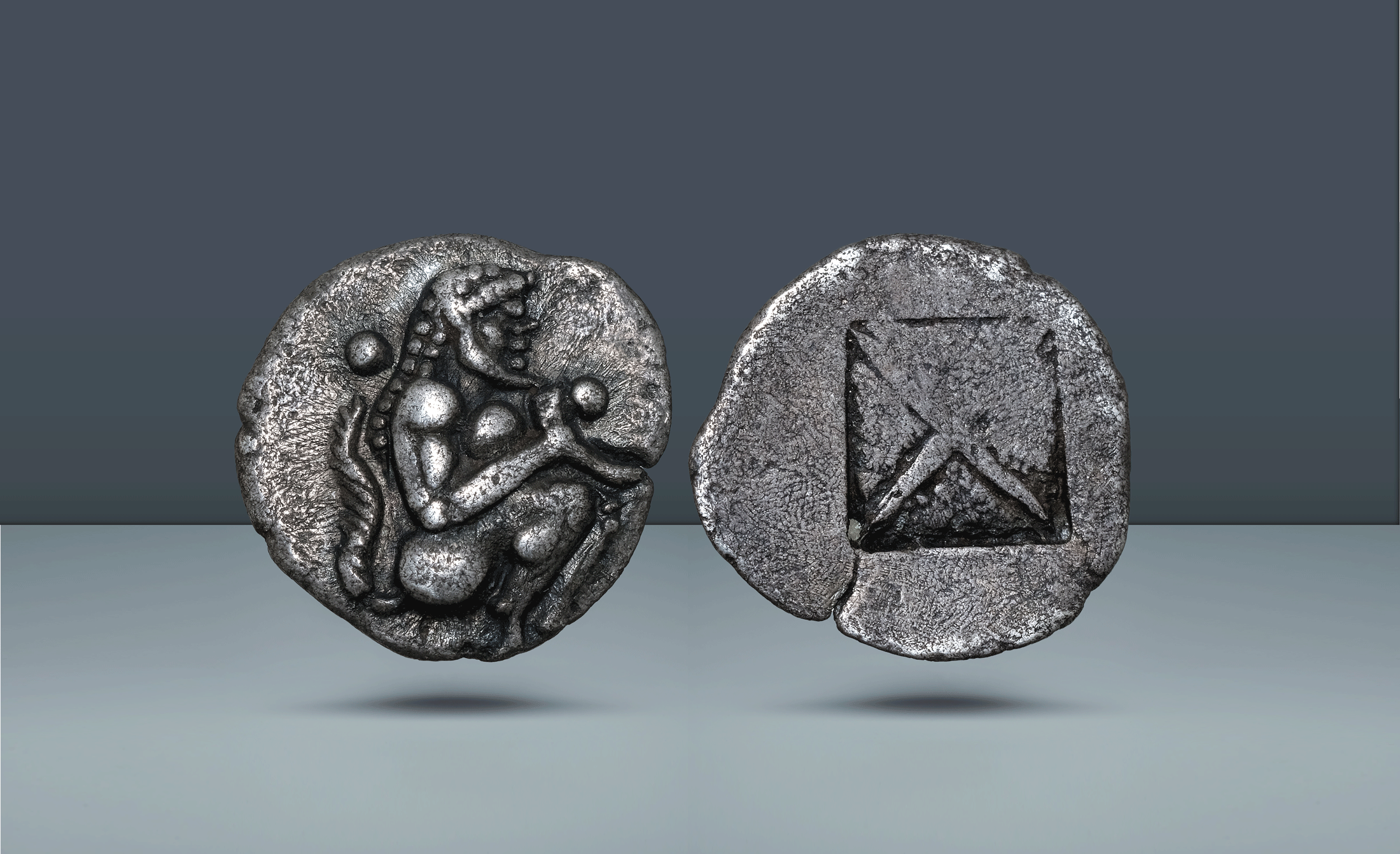
AR Trihemiobol,0.91g(11.00mm, n/a).
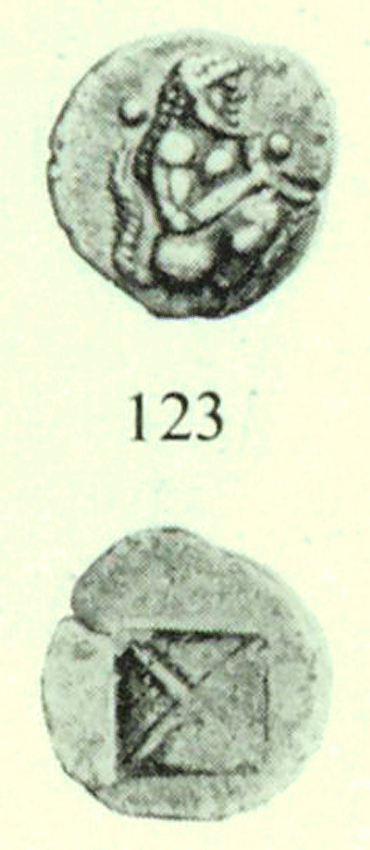
Satyr crouching r.; two pellets flanking. Rev. Quadripartite incuse square divided diagonally.
Pedigree: Ex Hess-Leu 24, 1964, 123 and CNG e-431, 2018, 39 sales. Privately purchased from CNG in 2007. From de Nanteuil collection.
References: de Nanteuil 783 (this coin). S. Psoma, "The "Lete" Coinage reconsidered", in Agoranomia, Studies in Money and Exchange presented to John H. Kroll, 2006, pl. 3, 11.
Grade: Some minor cuts in the metal. Lovely high relief and cabinet toning. EF
gk2153
Scroll down for more information about this coin.
This is one of those coins that whispers rather than shouts-a small silver piece from the northern reaches of the Greek world, minted at a moment when coinage itself was still finding its identity. The Thraco-Macedonian tribes occupied a liminal space in early Greek numismatics: sufficiently influenced by Hellenic culture to mint coins, yet sufficiently remote from the Mediterranean centers to develop their own visual and monetary logic.
The satyr on the obverse is the key to understanding this piece's significance. Satyrs appear early in Greek numismatic iconography-they're creatures of wilderness and liminality-and their presence here suggests something about how Lete (or Berge, if that is the correct attribution) wished to represent itself. This is not the coinage of a polis making a grand civic statement. It's something more intimate, more mythological. The two flanking pellets are typical of the period's die practice, though their exact meaning remains opaque.
The reverse incuse square, divided diagonally into four triangular fields, is architecturally pure-a geometric statement that belongs to the archaic tradition, predating the more naturalistic reverses that would emerge later. These patterns are often encountered on coins of Thrace and adjacent regions, and their repetition suggests a standardized system of value.
At 0.91 grams, this is a small denomination, a trihemiobol-the kind of coin that circulated for everyday transactions, not treasure hoards. Its survival says something about chance and care, not significance at the moment of issue. The metal cuts visible on the surface are honest wear; the high relief and cabinet toning speak to a piece that has been collected thoughtfully, preserved in conditions that allow the die work to remain legible.