Kings of Macedon, Macedon. Demetrius Poliocretes, 306-282 BC. Amphipolis, c. 292-291 BC
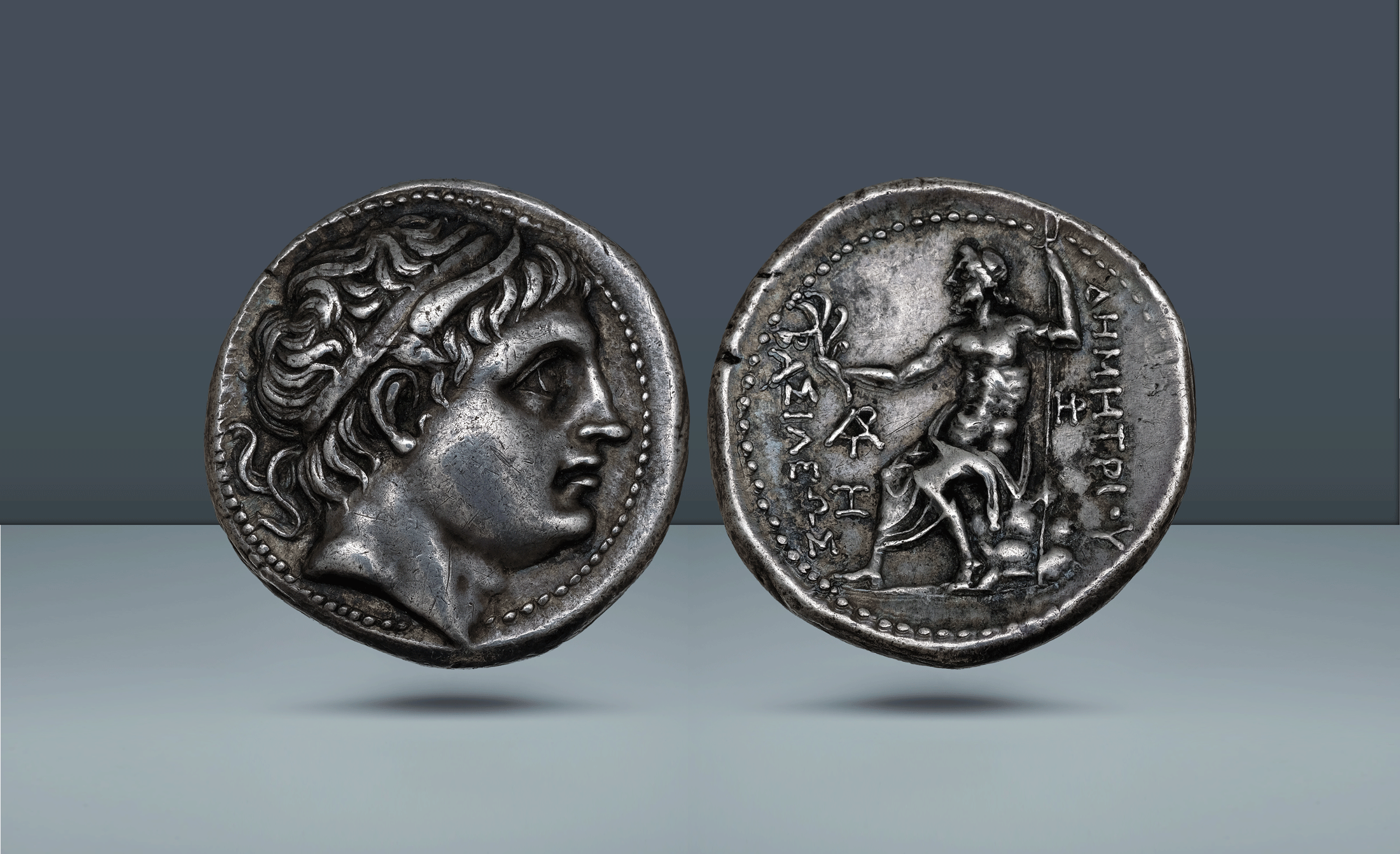
Kings of Macedon, Macedon. Demetrius Poliocretes, 306-282 BC. Amphipolis, c. 292-291 BC
AR Tetradrachm, 17.2g (26mm, 5h).
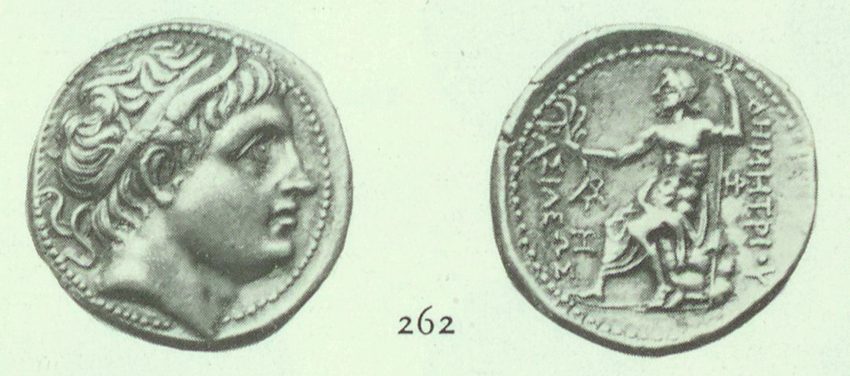
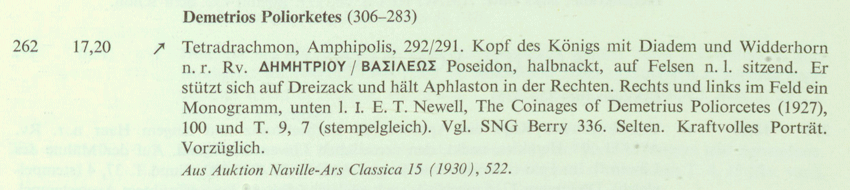
Head of Demetrios r., wearing royal diadem and horn. / ΔHMHTPIOY - BAΣILEΩΣ Poseidon, wearing himation, nude to waist, seated l. on rock, holding the trident with his l. hand, aphlaston in his outstretched r. hand; in field l., monogram and e, in inner r. field, monogram HP
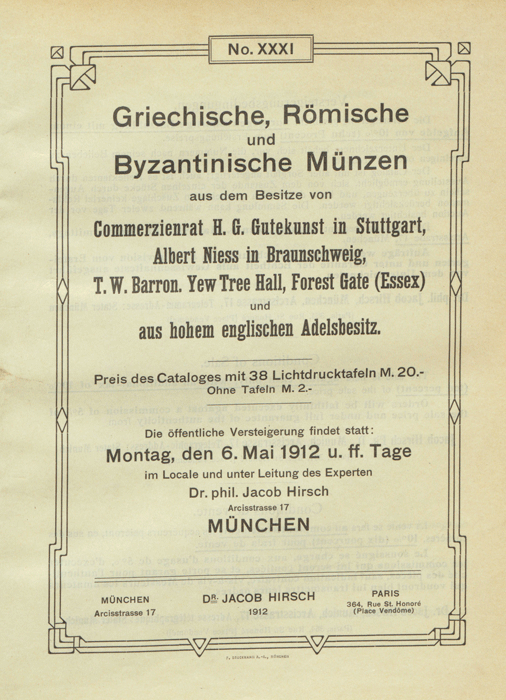
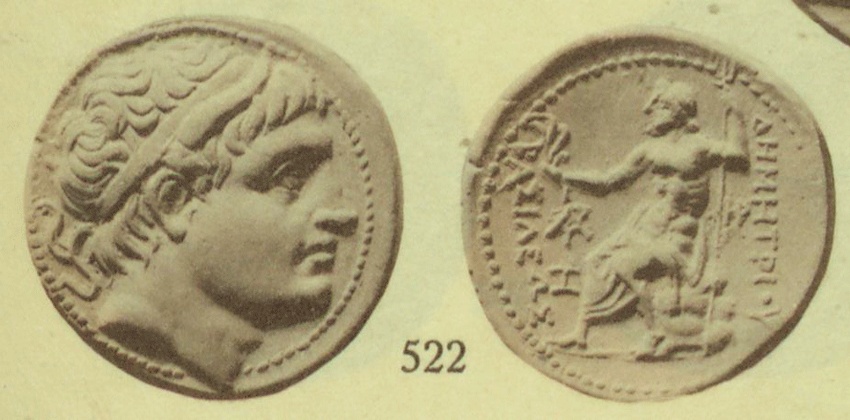
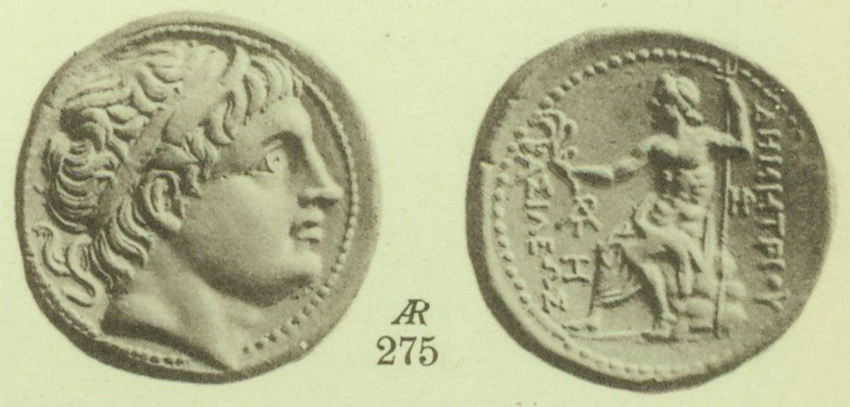
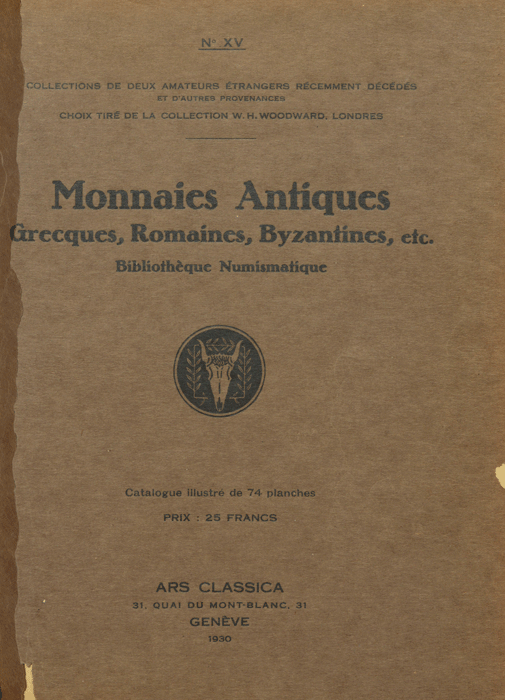
Pedigree: Auction J. Hirsch, Munich XXXI (1912), 275. Auction Naville & Cie, Geneva - Ars Classica SA, Geneva 15 (Lucerne 1930), 522. Auction Adolph Hess Nachf., Lucerne - Bank Leu AG, Zurich 31 (Lucerne 1966), 262. Auction Leu Numismatik AG, Zurich 57 (1993), 78
References: Newell, Demetrius 103, 100 - XCII-166 (this specimen mentioned); SNG Oxford 3251var. (same obv. die, with different mgr. in field r. on rev.).
Grade: Incredibly good pedigree dating back to 1912. One of the nicest examples I've ever handled. Mint State
Price: $22500
gk2182
Scroll down for more information about this coin.
Demetrios Poliorketes - "the Besieger" - remains among the most theatrical figures to emerge from the wars of Alexander's successors. Son of Antigonus Monophthalmos, he assumed the diadem in 306 BC in the wake of his crushing naval victory over Ptolemy's fleet off Salamis in Cyprus, an engagement that effectively announced the Antigonid claim to kingship to the whole of the Successor world. The present type speaks directly to that triumph: Poseidon, seated in commanding repose with trident and aphlaston, is no generic deity but a deliberate evocation of the sea power that made Demetrios a king. The horn crowning his own portrait on the obverse reinforces the association, binding the ruler's image to the god who delivered his victory and, by extension, to the semi-divine status Demetrios so evidently coveted.
Struck at Amphipolis, one of the principal mints of the Antigonid kingdom in this period, this issue belongs to a series distinguished by the sculptural confidence of its portraiture and the fluid, almost baroque treatment of Poseidon on the reverse - qualities this particular specimen displays to exceptional effect. The strike is full and the surfaces retain that glassy, undisturbed quality one hopes for but rarely finds on a coin of this age and importance.
What elevates this piece further still is its documented history. The pedigree runs in an unbroken chain back to 1912 - J. Hirsch, Munich XXXI; Naville & Cie/Ars Classica SA, Geneva 15 (Lucerne, 1930); Adolph Hess Nachf./Bank Leu AG, Zurich 31 (Lucerne, 1966); and Leu Numismatik AG, Zurich 57 (1993) - a provenance trail spanning four of the most storied houses in the history of the trade, over eighty years before reaching this listing. Newell records the coin itself under his study of Demetrios's coinage (Demetrius 103, 100 - die combination XCII-166, this specimen cited), and it shares an obverse die with the example published in SNG Oxford 3251, there paired with a different reverse control mark.
Simply put, this is one of the finest examples of the type I have ever handled - Mint State, with a pedigree most collectors can only dream of assembling for a single coin.