Locris, Locris Opuntii. c. 370-360 BC
Locris, Locris Opuntii. c. 370-360 BC
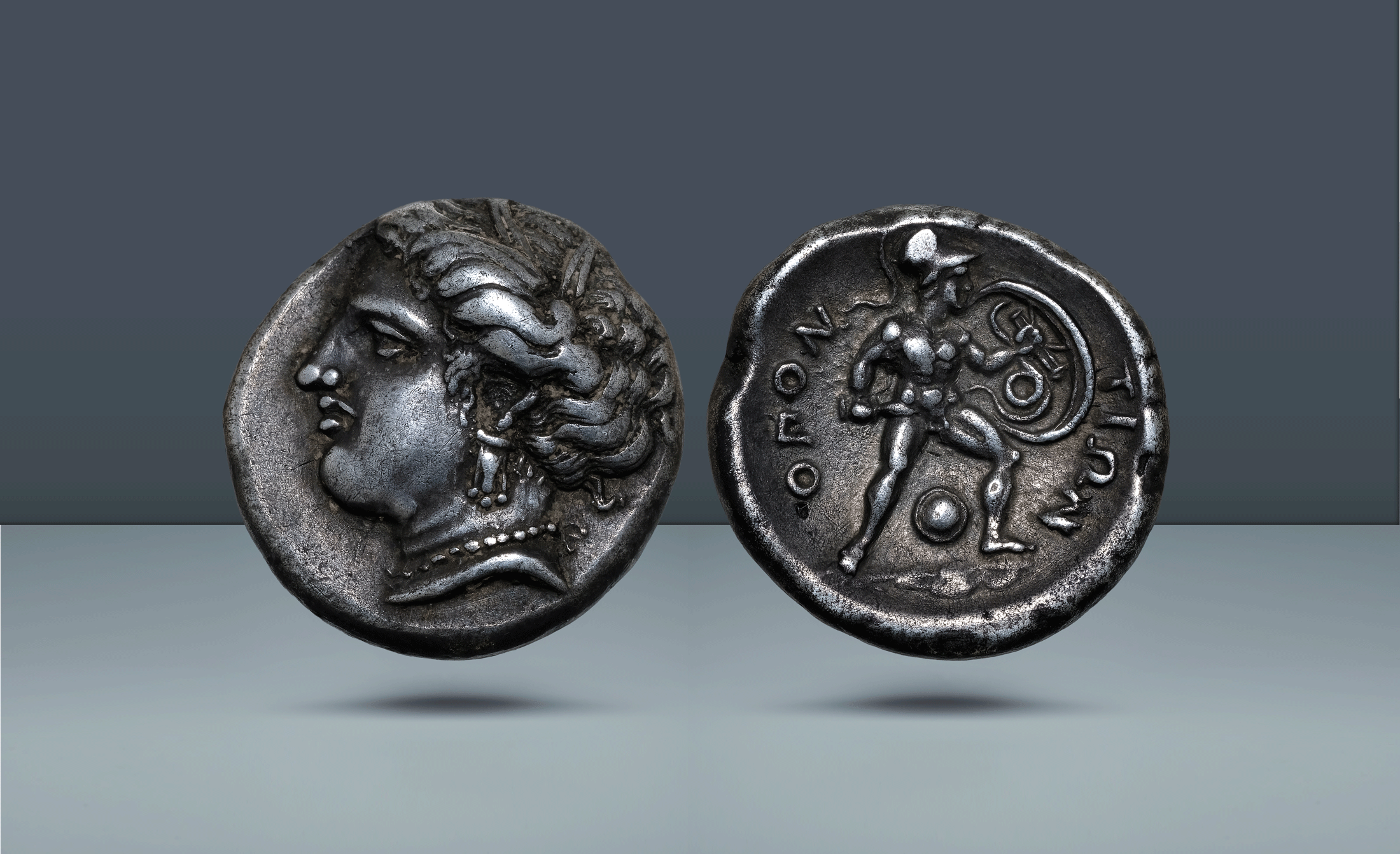
AR Stater, 11.92g (23mm, 12h).
Wreathed head of Persephone l. / ΟΠΟΝ-ΤΙΩΝ Ajax advancing r. over rocks, holding short sword and large shield decorated with serpent; between legs, round shield
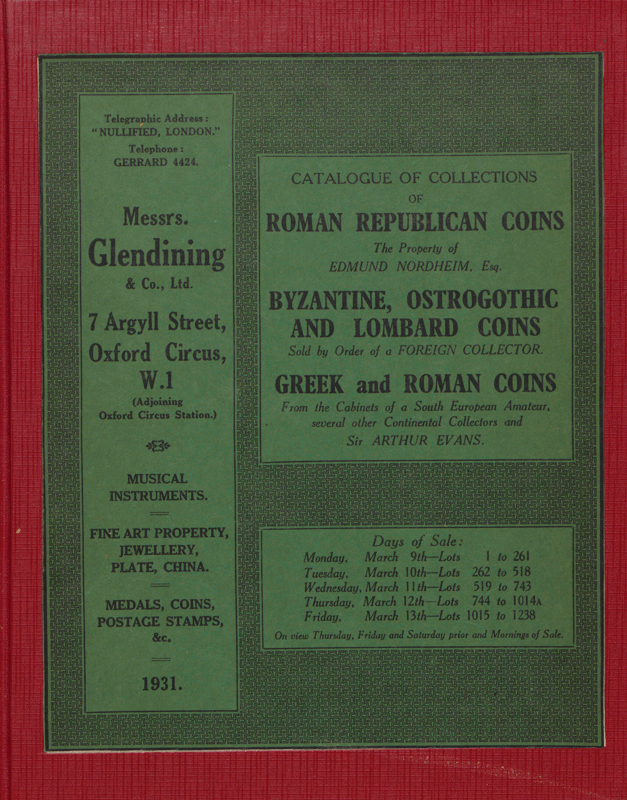
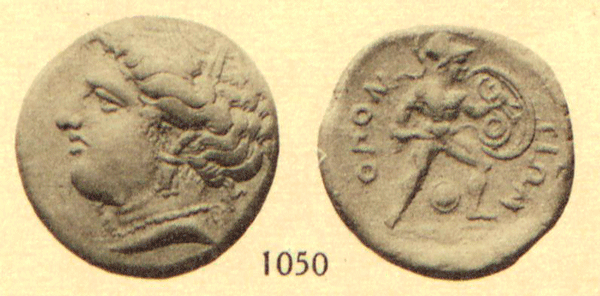
Pedigree: Ex Glendining 9 March 1931, 1050. J. Védrines 27 March 1990, 42. Gemini XIV, 2018, 162 sale. From the Philip T. Ashton (1934-2017) collection.
References: Humphris-Delbridge 49a (this coin). HGC 4, 989. BCD Lokris-Phokis 15.
Grade: A few minor flan defects on the reverse. Deep cabinet toning with some speckles of encrustation. aEF
gk2075
Scroll down for more information about this coin.
This magnificent silver stater from Locris Opuntii ranks among the most dramatically conceived coins of the Greek world. The Opuntian Lokrians, inhabiting the fertile coastal plain of central Greece facing the island of Euboea, produced a coinage of exceptional artistic ambition - and this stater, struck at the height of their minting activity in the 370s–360s BC, exemplifies the series at its finest.
The obverse presents a sensitively rendered head of Persephone, wreathed and facing left, her features carrying the serene gravity characteristic of the best Central Greek die-engraving of the early fourth century. The reverse is one of the great narrative compositions in all of Greek numismatics: the hero Ajax strides purposefully over a rocky ground line, sword in hand, his massive shield - blazoned with a coiling serpent - held before him, with a second round shield visible between his legs. The scene captures Ajax in the full heroic tradition of the Lokrian people, who claimed him as their eponymous champion and proudly proclaimed their identity through his image on their coinage generation after generation.
This coin is cited in the principal reference for the series: Humphris-Delbridge 49a - this coin - and further listed in HGC 4, 989, and the celebrated BCD collection catalogue, Lokris-Phokis 15, making it triply anchored in the scholarly literature.
Pedigree: The provenance of this stater is as distinguished as the coin itself. It first appears at Glendining, London, 9 March 1931, lot 1050 - one of the great interwar London sale rooms - then resurfaces nearly sixty years later at J. Védrines, 27 March 1990, lot 42, before passing through Gemini XIV, 2018, lot 162. It comes from the collection of Philip T. Ashton (1934–2017).