Lydia, Sardis. c. 550-500 BC
Lydia, Sardis. c. 550-500 BC
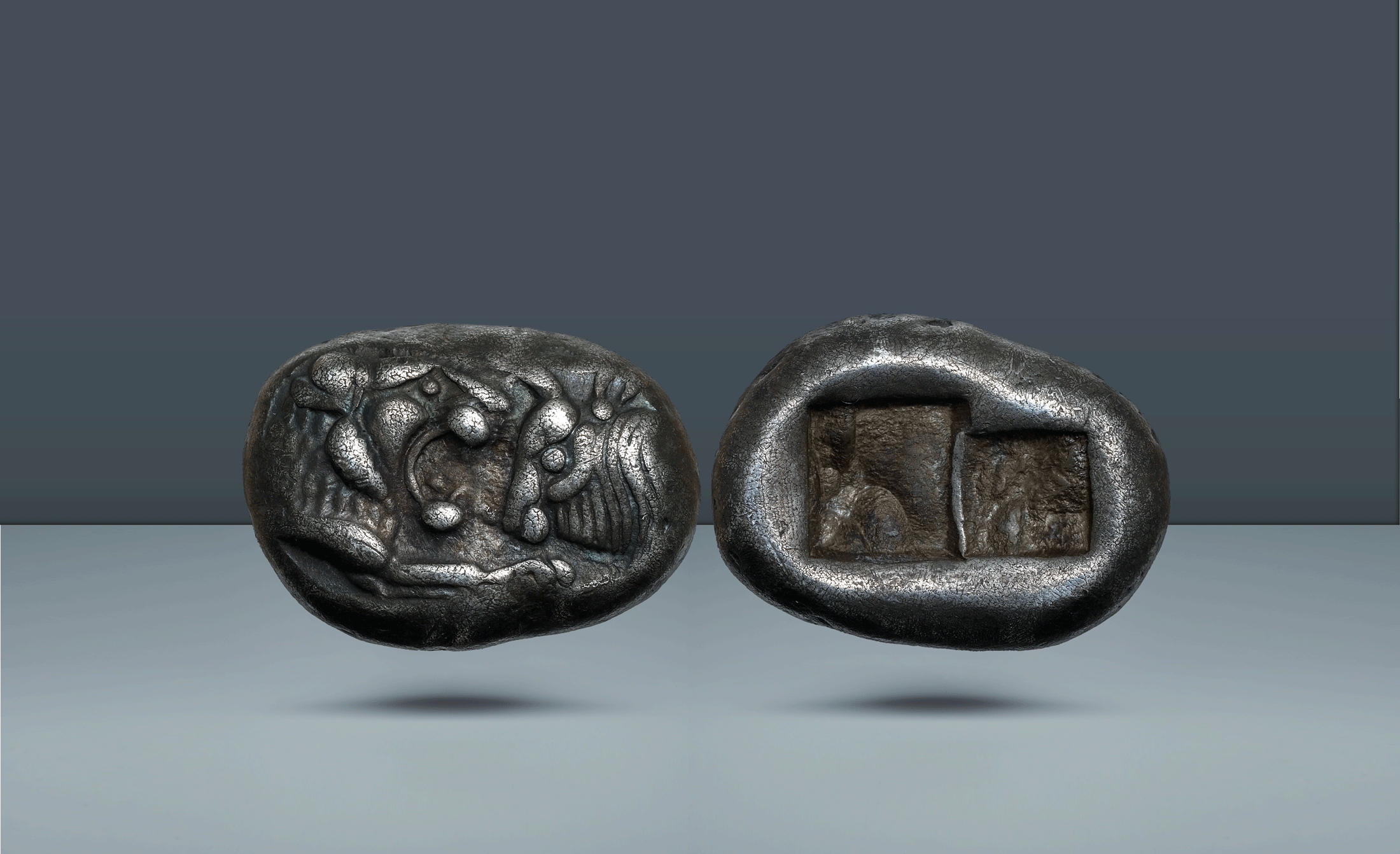
AR Half stater, 5.33g (17mm, n/a).
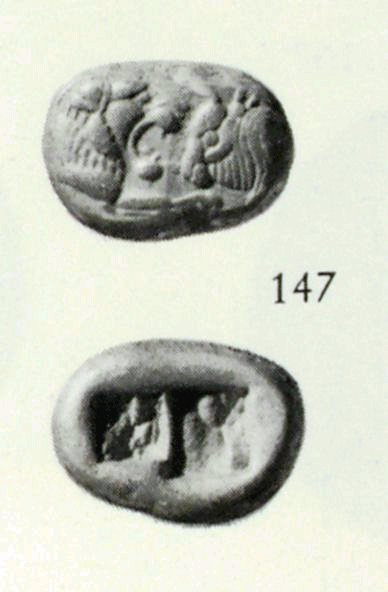
Confronted forepart of lion r. and bull l. / Two incuse squares
Pedigree: Ex Sternberg 10, 1980, 147. Noble Numismatics 66, 2001, 3364. Noble Numismatics 85, 2007, 1456. Noble Numismatics 123, 2020, 3142 sales. From the A. Climpson collection.
References: SNG von Aulock 2877. Carradice, pl. .XI, 9.
Grade: Beautifully struck with good metal and surfaces. Toned EF
gk2090
Scroll down for more information about this coin.
This silver half-stater belongs to the celebrated coinage of Croesus, the last king of Lydia, whose monetary reforms represent a defining moment in the early history of coinage. Struck at the royal mint of Sardis between approximately 560 and 546 BC, these coins formed part of the first true bimetallic currency system, in which gold and silver denominations were issued in a clearly defined relationship. By replacing the earlier electrum coinage with separate gold and silver standards, Croesus created a more reliable and transparent monetary system that would influence the entire Greek world.
The obverse displays the iconic heraldic design of confronted foreparts of a lion and a bull. The lion was a long-standing emblem of the Lydian royal house, symbolizing authority and dynastic power. The bull, frequently associated with strength and fertility, may also have held religious significance. Their dramatic confrontation produces one of the most powerful and recognizable designs of the Archaic period. The motif likely carried political symbolism as well, projecting the strength and legitimacy of the Lydian monarchy at a time when Lydia dominated western Anatolia and controlled the important trade routes of the region.
The reverse bears two rectangular incuse punches, typical of Croeseid silver staters and their fractions. These incuse impressions were created during the striking process when the metal blank was forced into the recesses of the punch die. The paired punch marks are diagnostic of the larger silver denominations within the Croeseid series.
Silver staters and half-staters such as this formed the backbone of Croesus’ reformed currency system. Their reliable weight standard and recognizable design helped facilitate trade across the eastern Mediterranean and Aegean world. Indeed, the Croeseid coinage became a model for later Greek civic coinages and helped establish coinage as a trusted medium of exchange.
Today, the coinage of Croesus is widely regarded as one of the foundational issues in the history of money. These coins mark the transition from experimental electrum currency to a structured, state-controlled monetary system that would shape economic life in the classical world for centuries.