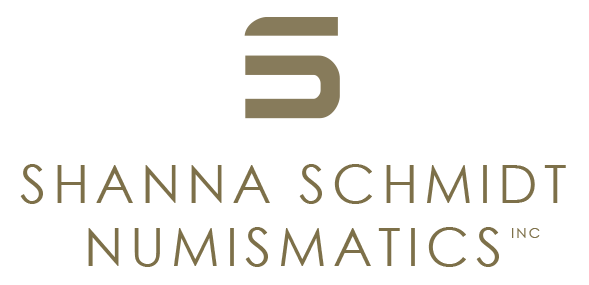
Mysia, Cyzicus. c. 450-440 BC
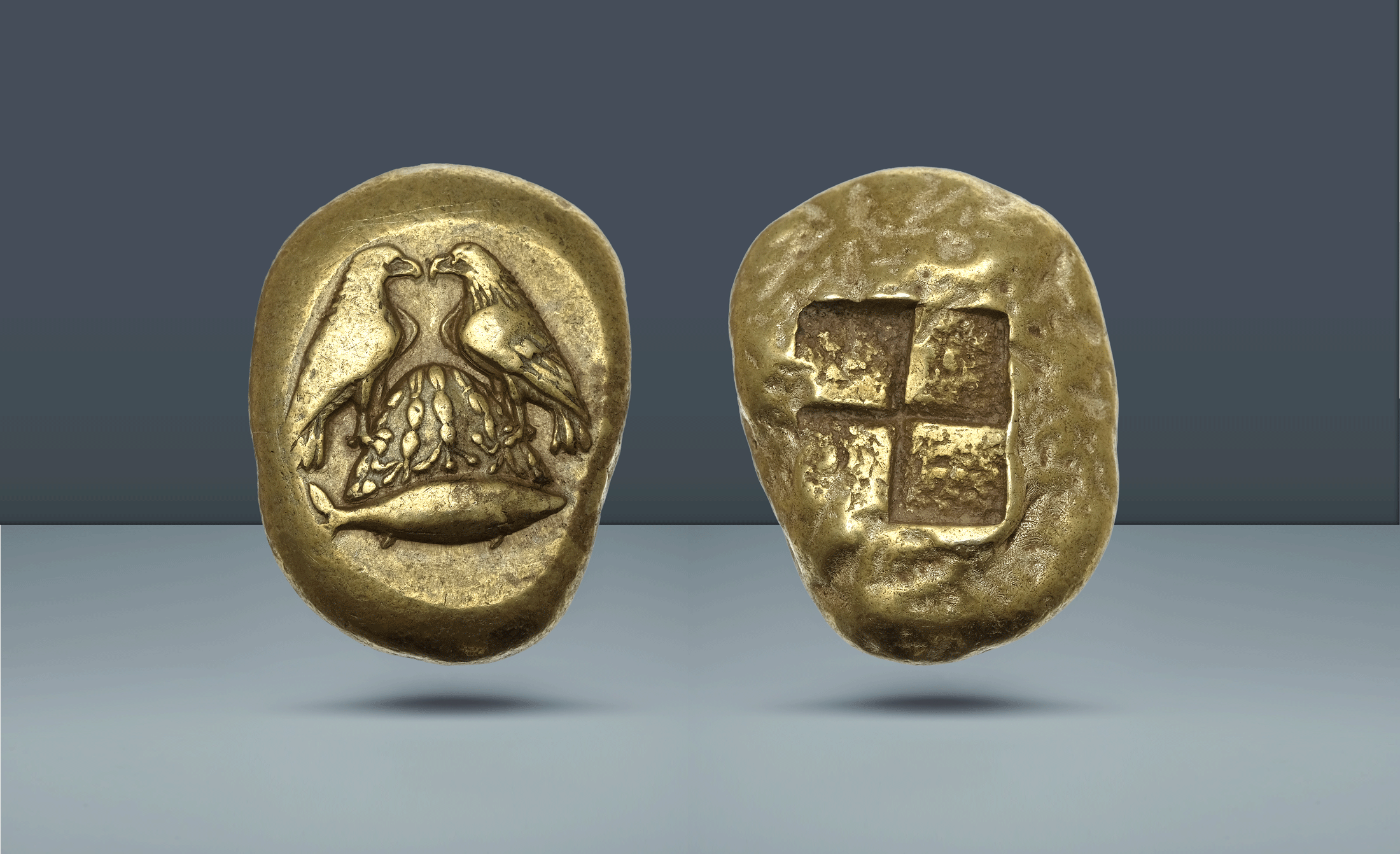
Mysia, Cyzicus. c. 450-440 BC
AV Stater, 16.0g (15.5mm, n/a)
Two eagles standing facing each other on ornamented omphalos; below, tunny to r. / Quadripartite incuse square
References: Von Fritze I 174; Greenwell 51; Boston MFA 1491 = Warren 1468; CN Online Type –; HGC 8, 198
Grade: Well centered and extremely rare for issue. Some light wear on left eagle. Good VF+
gk2206
Scroll down for more information about this coin.
The design on this stater illustrates a Greek myth about the center of the world. Supposedly, Zeus released two eagles from opposite ends of the earth, and where they met, at Delphi, he marked the world's "navel." Strabo reports that an omphalos, or sacred round stone, wrapped in bindings stood in the sanctuary there. The eagles on the coin are Zeus's birds, and the stone beneath them is that navel-stone.
This omphalos is covered with fillets, the woolen bands the Greeks placed on sacred objects., and matches descriptions of the stone at Delphi. The engraver most likely had a specific cult object in mind.
What was intended by this image is less certain. This stater is one of the few surviving depictions of the myth, and scholars disagree on whether it simply refers to Delphi or claims the title of world's center for Cyzicus itself. The latter is probably the most likely. In the early 2nd century BC, the physician and poet Nicander of Colophon called Cyzicus the navel of the world, implying that the city, or the nearby Arktos Mountains, had an omphalos of its own. Nicander wrote centuries after the coin was struck, but his remark may preserve a local tradition that was already in place when it was minted.