Seleucis and Pieria, Laodicea ad Mare. Geta, as Caesar. 198-209 AD. c. 208-209 AD
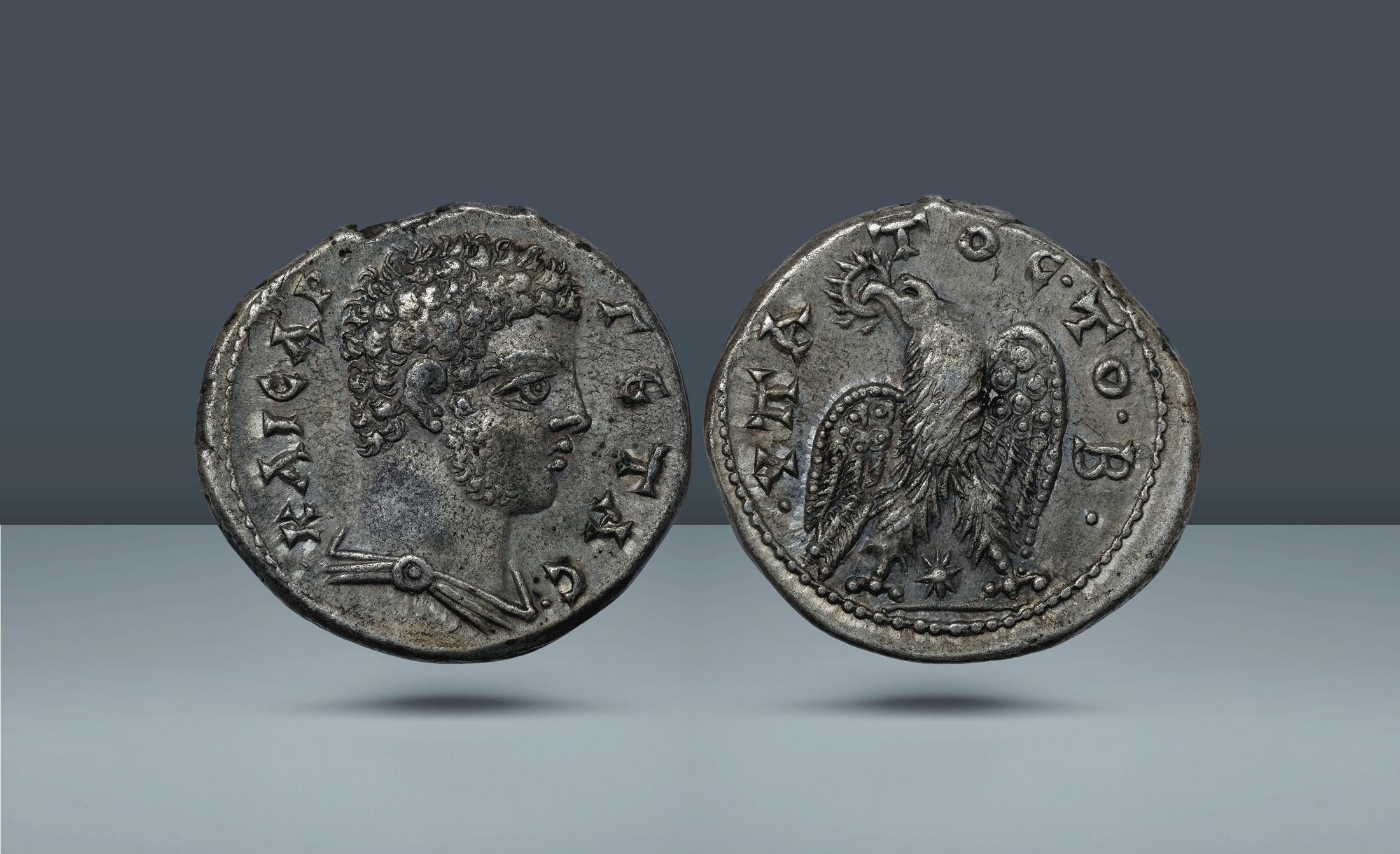
Seleucis and Pieria, Laodicea ad Mare. Geta, as Caesar. 198-209 AD. c. 208-209 AD
BI Tetradrachm, 13.00g (27.5mm, 12h)
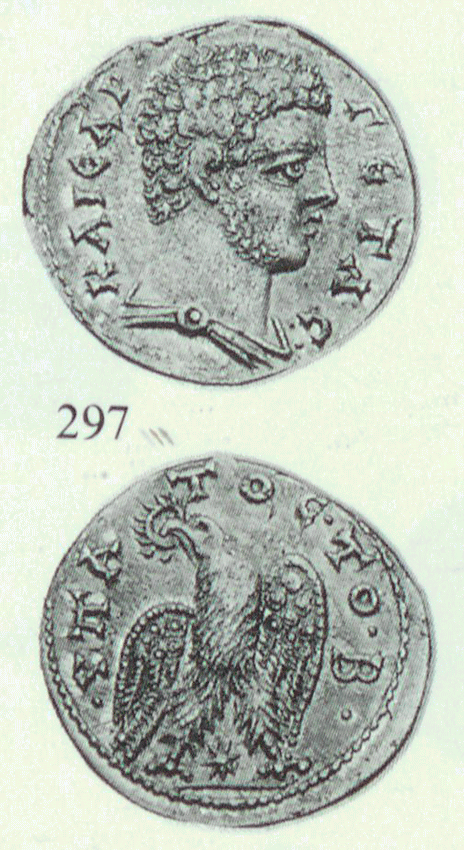
Bareheaded and draped bust r., slight beard / Eagle standing facing, head and tail l., with wings displayed, holding wreath in beak; star between legs.
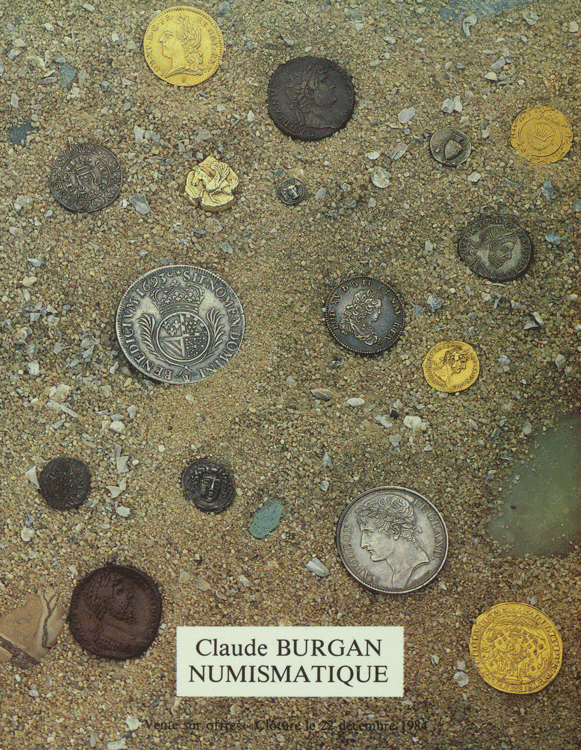
Pedigree: Ex Burgan 18, 22 December 1984, lot 297; Burgan 24, 22 December 1990, lot 106. From the Michel Prieur Collection.
References: Prieur & Amandry Groupe III, 43; McAlee, Severan –; RPC V.3 Online 87397 (this coin cited); Prieur 1158 (this coin).
Grade: Previously encapsulated, NGC graded Ch XF, Strike: 5/5, Surface: 4/5
re1499
Scroll down for more information about this coin.
Geta was the younger son of Septimius Severus and Julia Domna and the brother of Caracalla. Both sons were intended to succeed their father, although Caracalla held the senior position within the dynasty. Caracalla had been made Augustus in AD 198, while Geta received the junior title of Caesar. He would not be formally placed alongside his father and brother as Augustus until AD 209. Following the death of Septimius Severus in February AD 211, the two brothers inherited the empire jointly. Their relationship, however, was marked by intense hostility. Ancient historians describe a growing rivalry that made their joint rule increasingly difficult. The brothers even considered dividing the empire between them, although whether such a proposal was seriously entertained remains uncertain to historians.
In December AD 211, Caracalla arranged the murder of Geta, reportedly luring him to a meeting in the presence of their mother. According to Cassius Dio and Herodian, Geta was killed while seeking protection from his mother. He was approximately 22 years old. Caracalla subsequently ordered the removal of Geta's name and likeness from public monuments, inscriptions, and portraits in an effort to erase his memory. Despite these measures, numerous coins bearing Geta's portrait survived, including issues struck during his years as Caesar. This particular tetradrachm is an unusually rare issue featuring Geta with a short beard, struck shortly before his elevation to Augustus. It is also the specimen illustrated in Michel Prieur's reference on Syro-Phoenician tetradrachms.