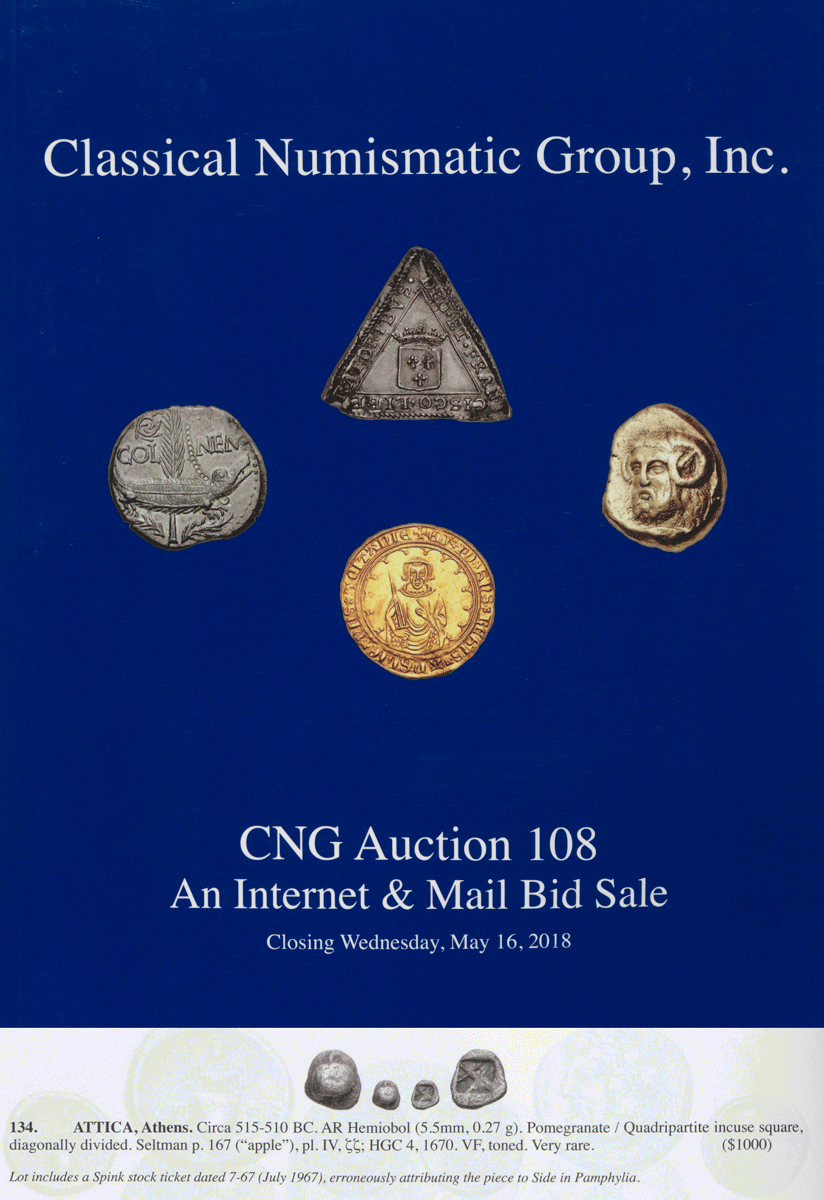
Attica, Athens. c. 515-510 BC
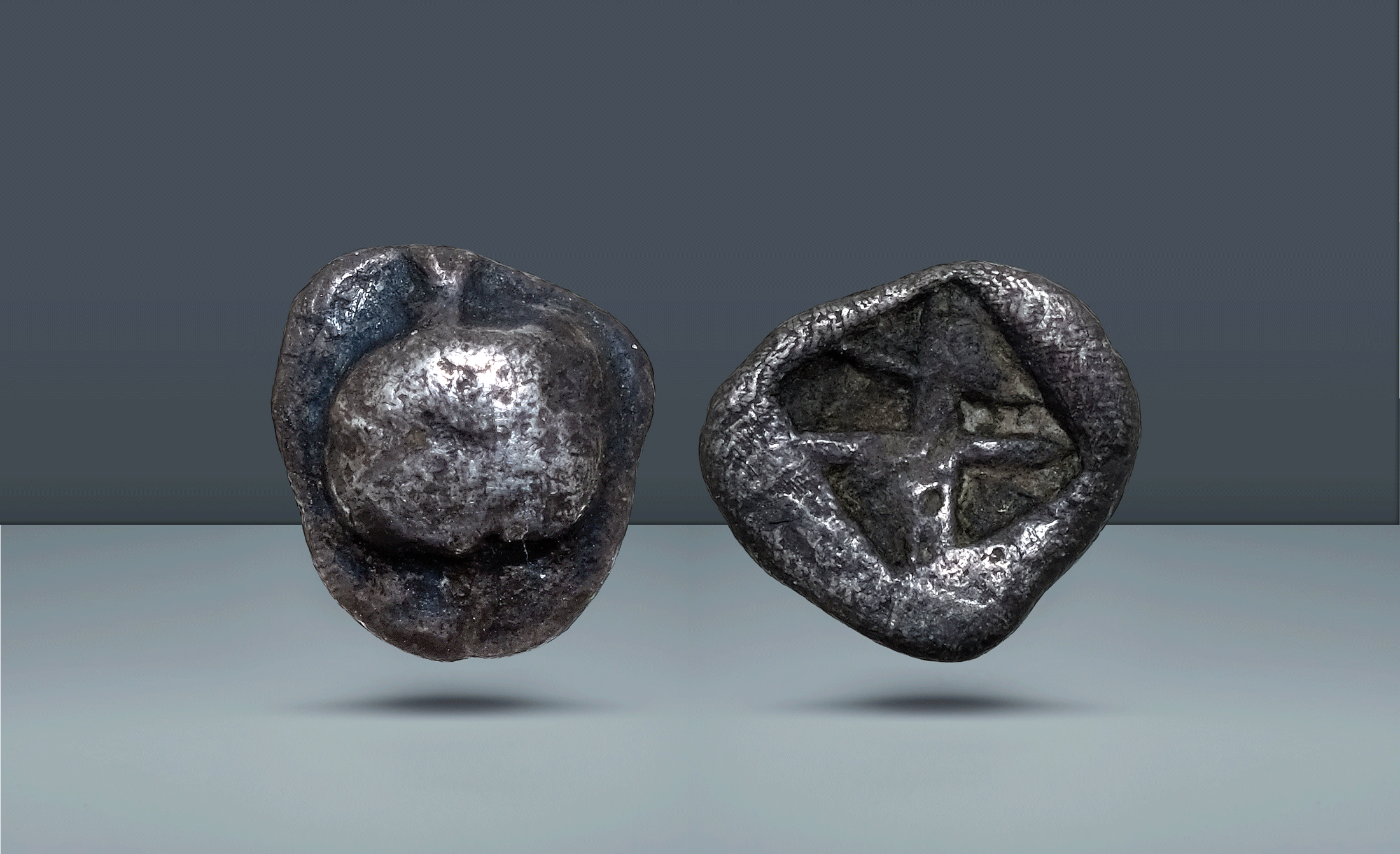
Attica, Athens. c. 515-510 BC
AR Hemiobol, 0.27g (6mm, N/A).
Pomegranate / Quadripartite incuse square, diagonally divided
Pedigree: Ex CNG sale 108, 2018, 134. Privately purchased from Spink in July 1967 (ticket erroneously attributing the piece to Side in Pamphylia)
References: Seltman pl. IV, ζζ (apple). Svoronos pl. 1, 44. HGC 4, 1670.
Grade: Exceedingly rare and early Wappenmünzen type. EF
gk2076
Scroll down for more information about this coin.
These early Athenian coins are historically significant as they predate the establishment of Athens' most iconic coinage type, the tetradrachm with Athena's helmeted head on the obverse and her sacred owl on the reverse. The Wappenmünzen period represents a transitional phase in Athenian monetary history, when the city-state was still experimenting with designs before settling on the standardized "owl" type that would dominate for centuries. The varied types found on these early issues suggest that multiple minting authorities or magistrates may have been responsible for coin production before the process became fully centralized under state control.
The obverse of this cute Hemiobol depicts a pomegranate, a fruit with rich symbolic meaning associated with fertility, abundance, and the underworld. It was most famously connected to the myth of Persephone, who was bound to Hades after eating pomegranate seeds. In the context of Athenian coinage, the pomegranate may have represented civic prosperity. An earlier, now disproved theory of this wappenmunzen, states that it could have been the badge of a particular aristocratic family or minting authority during this early period when different symbols appeared on Athenian coins.