Etruria, Populonia. c. 3rd cen BC
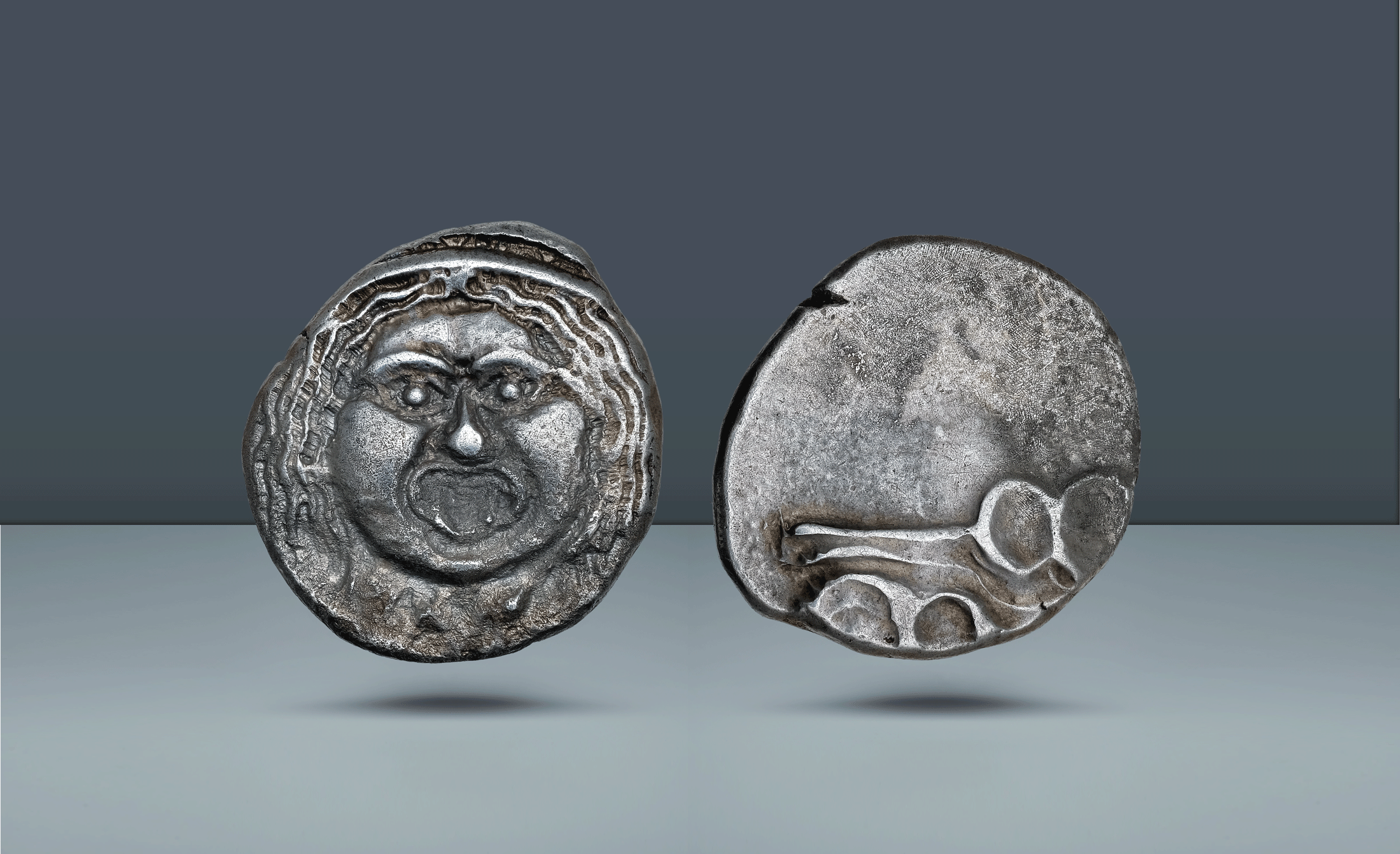
Etruria, Populonia. c. 3rd cen BC
20 Asses, 8.04g (23mm, 7h).
Gorgonian with open mouth and protruding tongue, below XX. / Two Kerykeia twisted against each other
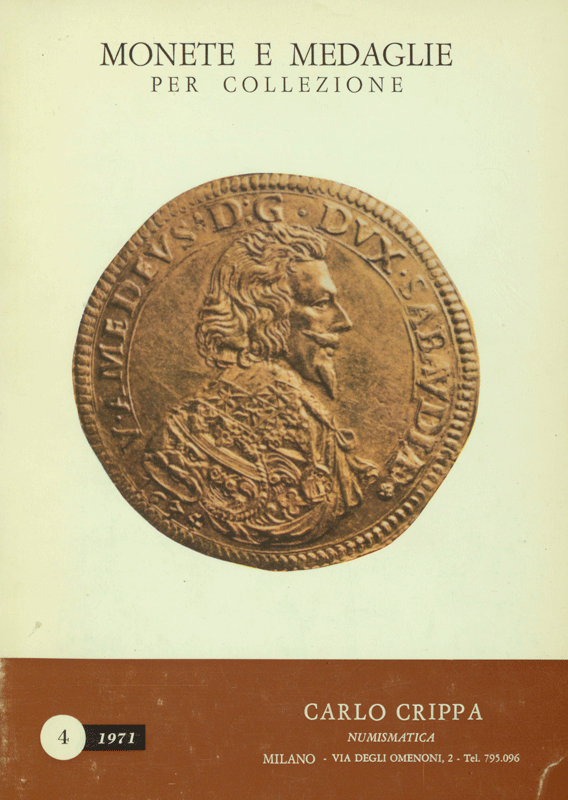
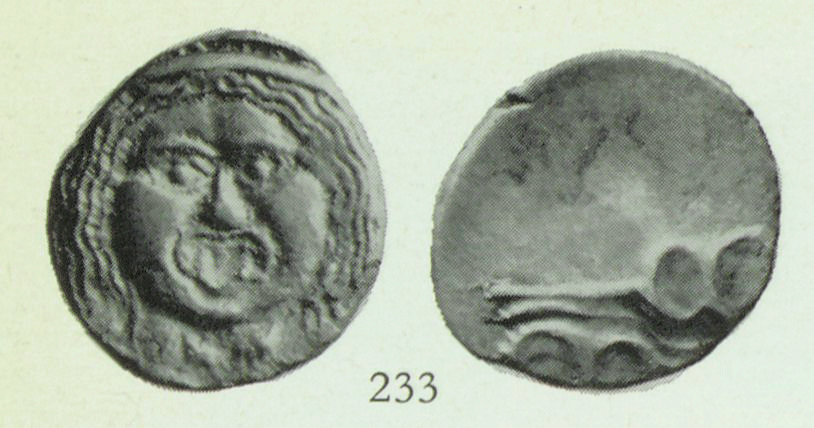
Pedigree: Ex Crippa Liste 4, 1971, lot 233. From the PML collection.
References: Vecchi, Rasna II 31.2 (this coin): Vecchi, Etruscan Coinage 48.66 (this coin). HN Italy 150; HGC 1, 112.
Grade: The coin was struck from rusty dies and is lightly worn. Excellent pedigree and plate coin in Vecchi's two books. Reverse is off-center. Fully centered and struck obverse. VF+
gk2126
Scroll down for more information about this coin.
As the preeminent Etruscan maritime and metallurgical hub, Populonia produced a currency that perfectly mirrored its industrial identity: bold, functional, and deeply rooted in protective mystery. The connection between this iron-rich industrial powerhouse and the Gorgoneion was both functional and deeply symbolic. In the 5th and 4th centuries BCE, Populonia processed vast amounts of iron ore mined from the nearby island of Elba. This was a city of fire, smoke, and immense wealth.
The centerpiece of this wealth was the silver 20 Asses, adorned with a disturbing visage of the Gorgon. Unlike the refined, beautiful medusas of other Greek cities, the Populonian gorgon is intentionally archaic and apotropaic. Local engravers utilized deep, sharp cuts to define the protruding tongue, the bared tusks, and the hair, which often looks more like a series of coiled springs than organic locks as described in myth. This depth served a dual purpose: it made the coin incredibly durable for circulation and ensured that even as the coin wore down, that piercing, protective gaze remained visible. The Etruscan moneyers were literally warding off evil, and protecting the value of the currency.