Lucania, Thurium. Signed by the master Phrygillus, c. 420 BC
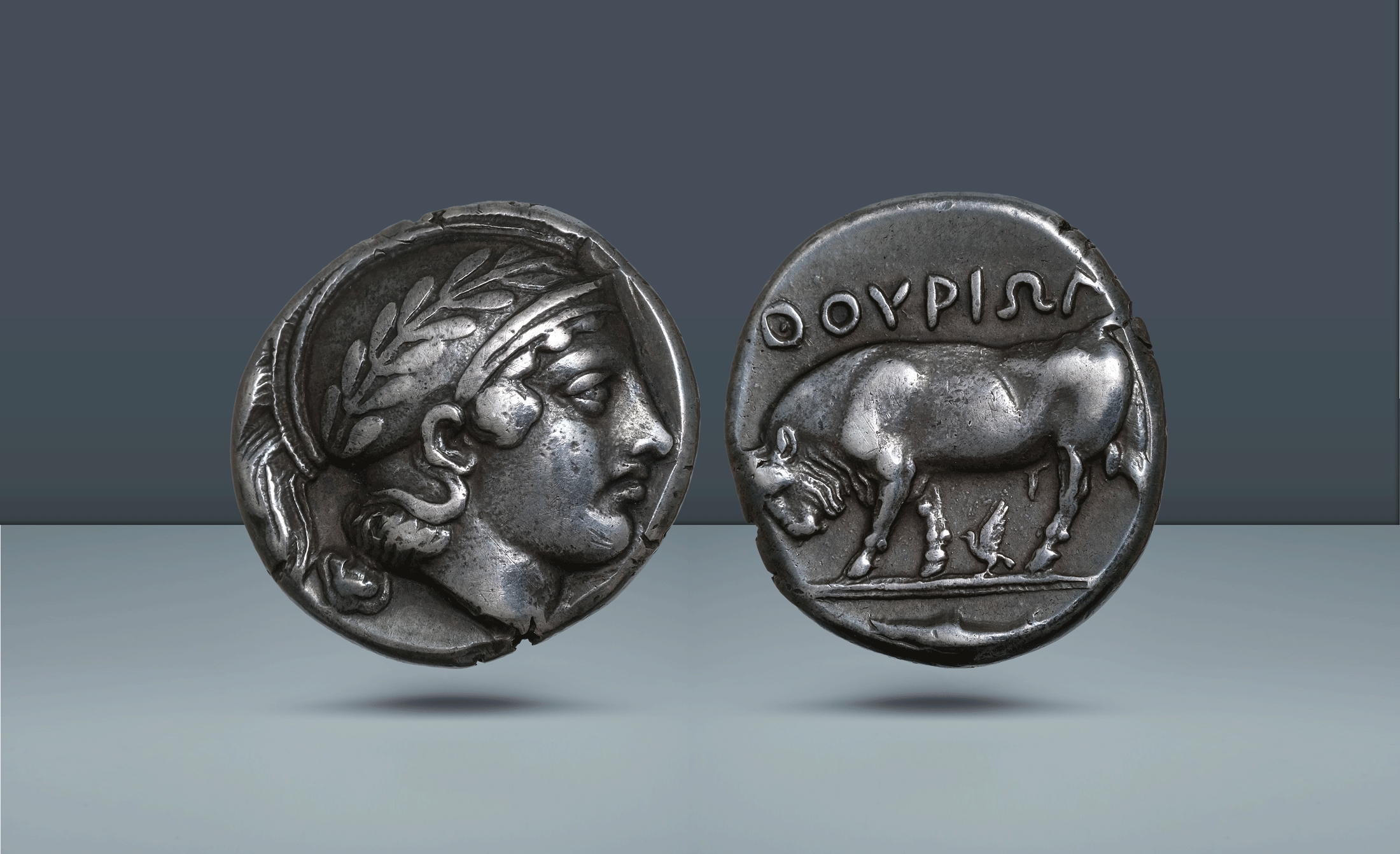
Lucania, Thurium. Signed by the master Phrygillus, c. 420 BC
AR Stater, 7.75g (19.5mm, 10h).
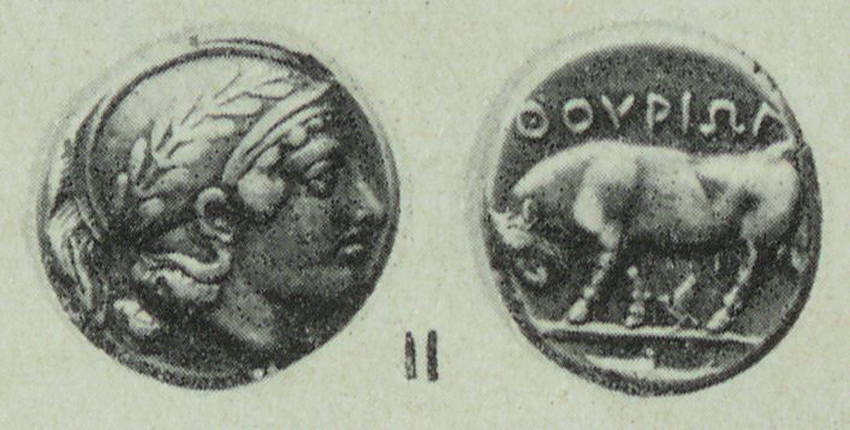
Head of Athena r., wearing wreathed Attic helmet; above visor [Φ]. / [Θ]ΟΥΡΙΩΝ Bull walking l. on double exergual line; between its legs, bird l. In exergue, fish l.
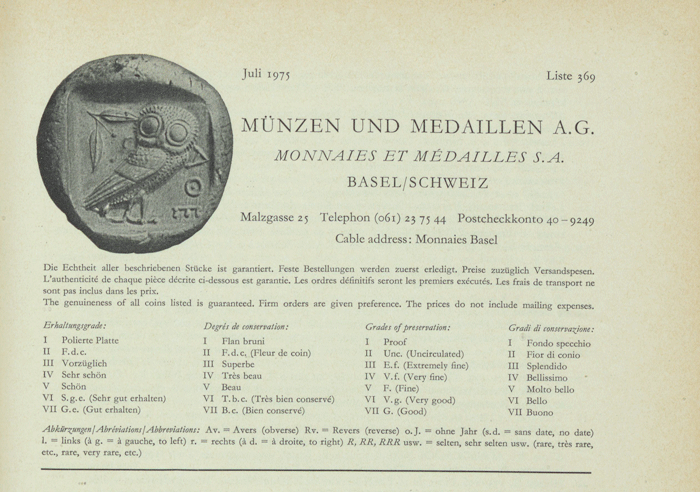
Pedigree: Ex Münzen & Medaillen 369,1975, lot 11; Acquired privately from Tradart.
References: Kraay-Hirmer 251, SNG ANS 948
Grade: Tight flan with overall light wear. Pleasant VF+
gk2168
Scroll down for more information about this coin.
Phrygillos is one of the celebrated die engravers of late fifth-century BC Greek coinage, active roughly in the 410s–400s BC his career illustrates the height of the Classical Greece artistic world.
His home base, so to speak, was Syracuse. On the famous Syracusan tetradrachms of circa 413–405 BC, Phrygillos engraved a head of Arethusa wearing a sphendone, surrounded by four dolphins, with his signature ΦΡΥ placed on the headband. The tiny letters sit on the ampyx at the goddess's forehead, a wonderfully discreet spot for an artist's mark. His dies were typically paired with reverse dies signed by Euarchidas showing Persephone driving a quadriga, so it is possible that the two men evidently worked as a team. He is also credited at Syracuse with a head of Persephone crowned with corn, and he worked into the following period alongside Eukleidas.
The scholarly foundation for this South Italian career is a dedicated study, Wynn's 1967 doctoral thesis Phrygillos, a die-engraver for Syracuse, and his association with certain South Italian mints. Whether he was Italian-born and went to Sicily, or Sicilian and traveled to Italy, the evidence can't settle. Regardless, Phrygillos's hand has long been recognized in the coinage of Thurium.