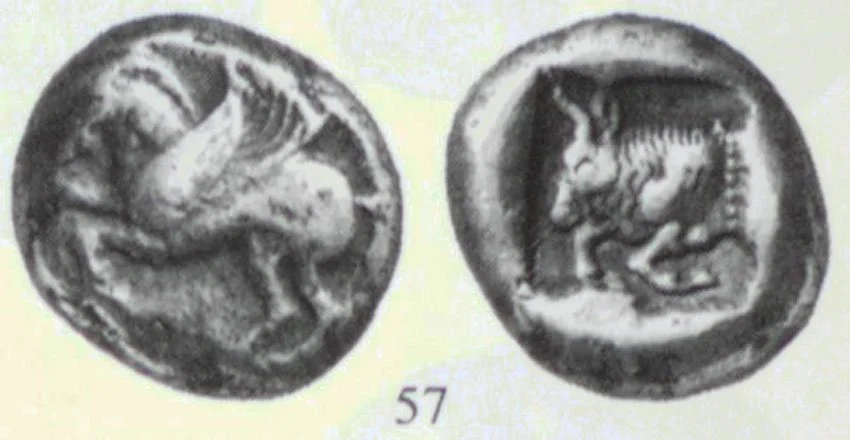
Lycia, Proto-dynastic. Uncertain Dynast. Uncertain Mint, c. 480 BC
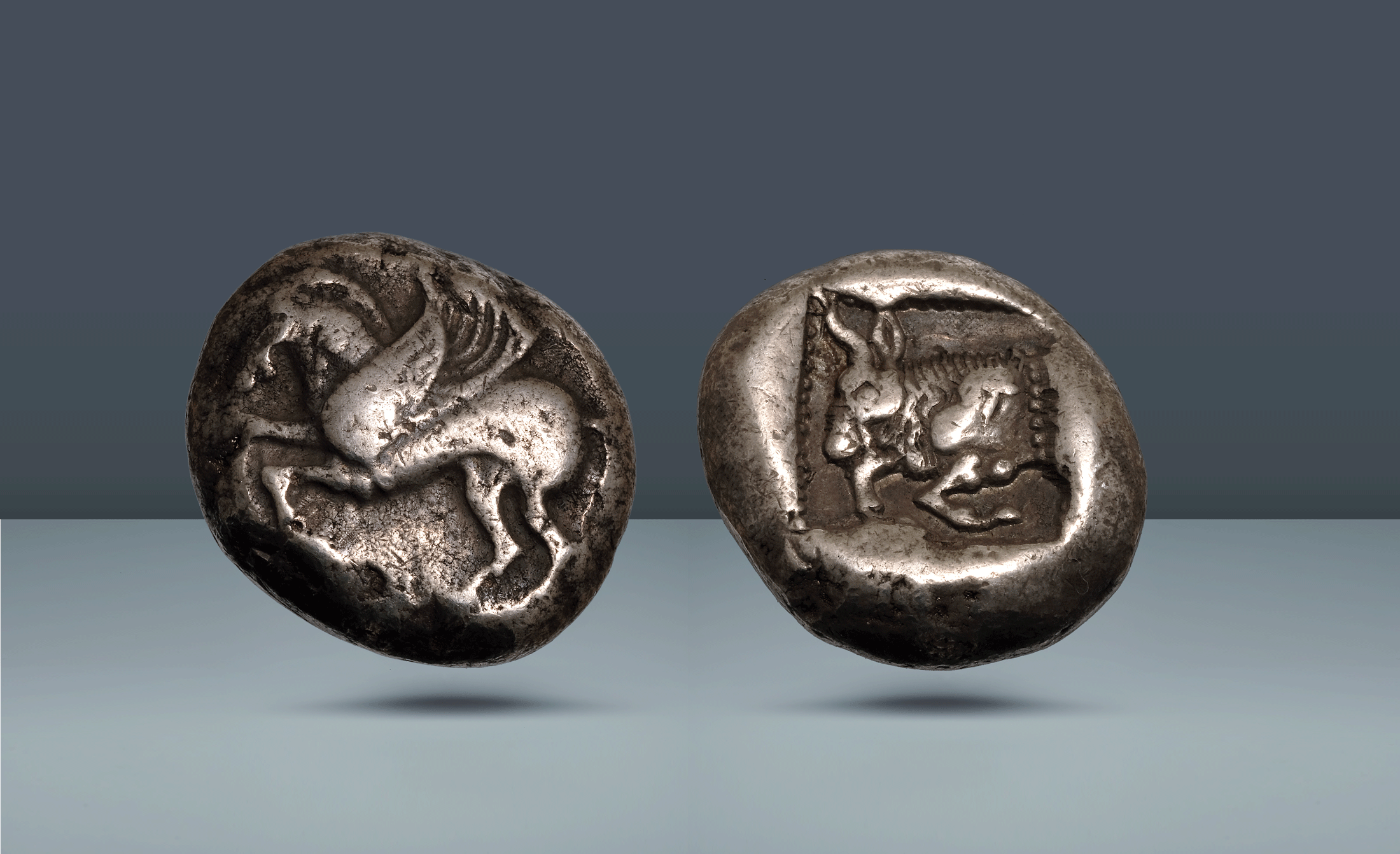
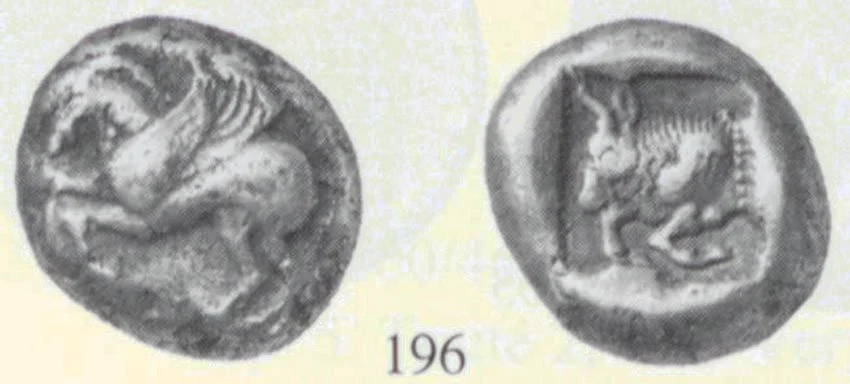
Lycia, Proto-dynastic. Uncertain Dynast. Uncertain Mint, c. 480 BC
AR Stater, 9.26g (18mm5h)
Pegasus flying l. / Forepart of bull l. with T on shoulder. All within incuse square).
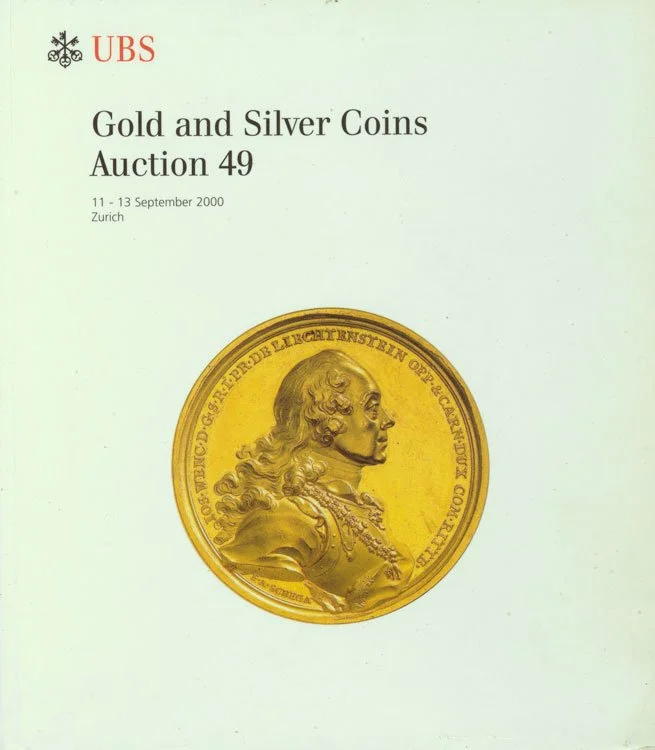
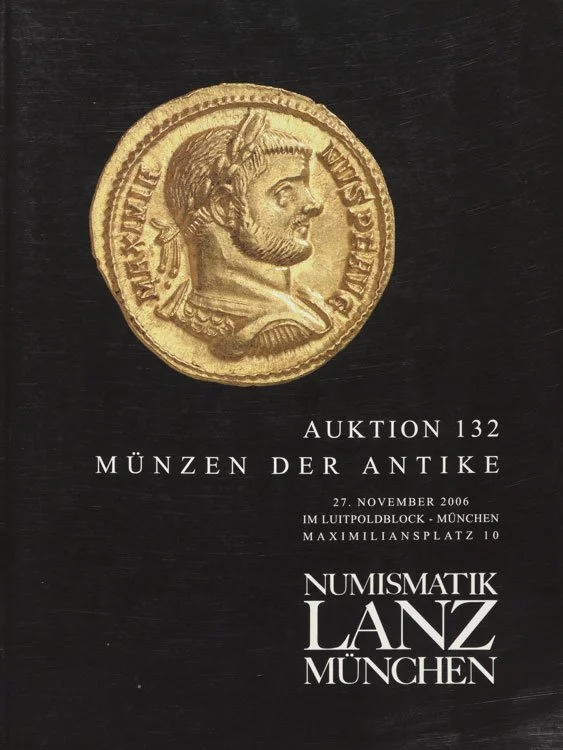
Pedigree: Ex Lanz 132, 27 Nov 2006, lot 214. Ex Kurpfälzische Münzhandlung (Mannheim) Auktion 65 (2003), lot 57. Ex UBS Schweizerischer Bankverein Auktion 49, 11-13 Sept 2000), lot 196
References: Müseler III, 32 (this example), otherwise unique
Grade: A rare and interesting type. Minor marks and wear. Complete and toned aEF
gk1881
Scroll down for more information about this coin
Lycia entered the Persian sphere around 540 BC, when Cyrus's general Harpagus subdued the region, an episode Herodotus records with the Xanthians' desperate last stand (1.176). Local rulers continued to govern under Achaemenid suzerainty, and in the late sixth and early fifth centuries BC they began striking silver staters. These coins carry no names and their mints are unknown, which is why the earliest Lycian issues are grouped as "proto-dynastic." The recurring animal imagery (boars, bulls, winged creatures, and hybrid beasts) is often bold and inventive, and each type circulated in very small numbers. Many are known from only a handful of specimens.
This stater pairs two strong images. On the obverse, Pegasus flies left with his wings raised. He had a particular resonance in Lycia, since Homer sets Bellerophon's victory over the Chimaera there (Iliad 6.179–183). The reverse shows the forepart of a bull within the incuse square that is typical of early Lycian reverses. A single letter T is placed on the bull's shoulder. Its meaning is uncertain. It may be an abbreviation in the Lycian script, a control mark, or a reference to the issuing authority, and the whole series is too sparsely documented to allow a firm answer. The weight is consistent with the heavy standard used for early Lycian staters.
Wilhelm Müseler's corpus of Lycian coinage in European private collections cites this very coin as the only recorded example of the type. The pedigree is continuous back to 2000, and the coin is complete, well centered on its flan, and attractively toned.
Pedigree: Ex Lanz 132, 27 Nov 2006, lot 214. Ex Kurpfälzische Münzhandlung (Mannheim) Auktion 65 (2003), lot 57. Ex UBS Schweizerischer Bankverein Auktion 49, 11-13 Sept 2000), lot 196