Roman Empire, Italy. Didius Julianus. 193 AD. Rome, c. 193 AD
Roman Empire, Italy. Didius Julianus. 193 AD. Rome, c. 193 AD
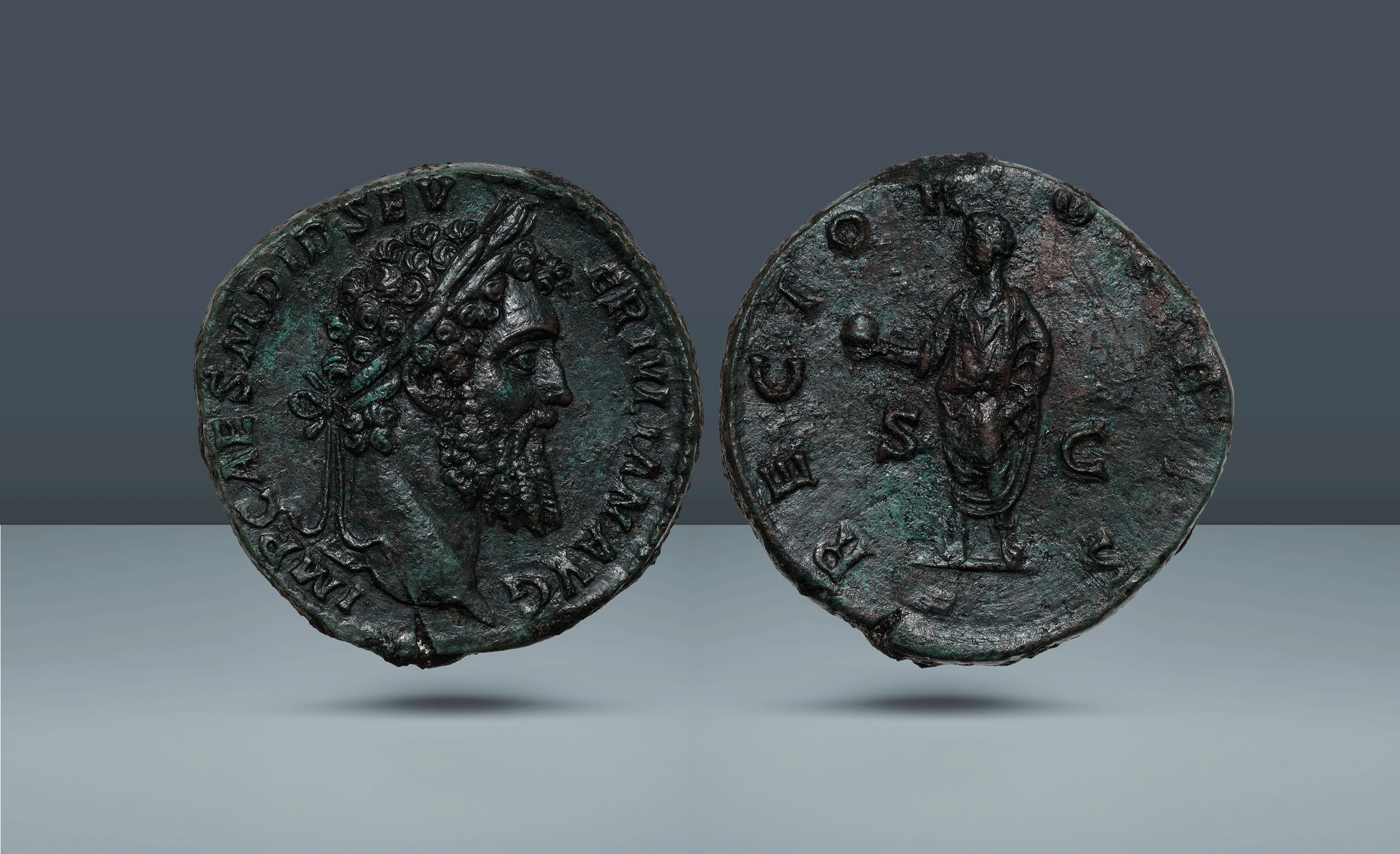
AE Sestertius, 19.25g (29.2mm, 11h)
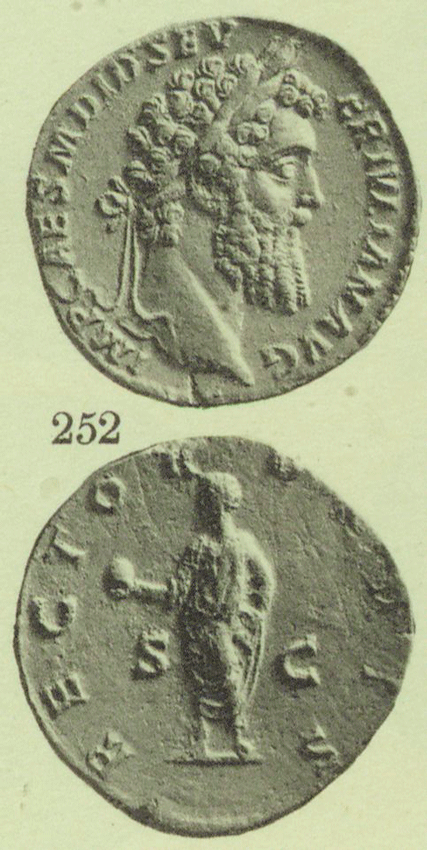
IMP CAES M DID SEVER IVLIAN AVG. Laureate head of emperor to r. / RECTOR ORBIS. Togate emperor standing l. holding a scroll in l. hand and globe in r.
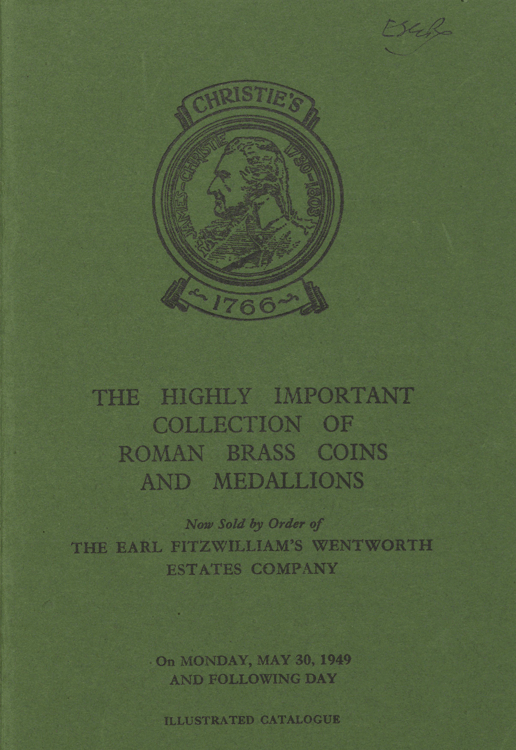
Pedigree: Ex Christie's, London, May 30, 1949, lot 252; Giessener Munzhandlung 50, September 24, 1990, lot 611. From the Earl Fitzwilliam Collection
References: RIC IV 16
Grade: Beautifully struck with some minor expert smoothing in the fields. Minor cleaning marks in the reverse field at 11h and 2h. Lovely EF
re1485c
Scroll down for more information about this coin.
It is said that the Roman Empire was once sold to the highest bidder. While this may sound like an exaggeration, it is exactly what happened in 193 CE. After the Praetorian Guard murdered the emperor Pertinax, they offered the throne to whoever would pay them the most, and the wealthy senator Didius Julianus won. His prize did not last long. Julianus ruled for only about two months, from March to June, during the chaotic “Year of the Five Emperors”, before he was killed on 2 June 193 CE and replaced by Septimius Severus. As a result, the Rome mint had very little time to strike coins in his name, and his sestertii are among the most sought-after Roman bronzes of the second century.
The pedigree of this example makes it all the more remarkable. It comes from the Fitzwilliam collection of Roman coins and medallions, which was built up over two centuries at Wentworth Woodhouse in Yorkshire. Following the Second World War, the family's estate company consigned the collection to Christie, Manson & Woods, which sold it over two days on 30 and 31 May 1949.
At the heart of the collection were its sestertii. Many were purchased in the eighteenth century, including a large group from the museum of the Carthusian fathers in 1748 and another from the Abbé Visconti in 1774. Consequently, a number of these coins can be traced all the way back to the era of the Grand Tour, when British aristocrats travelled the Continent collecting antiquities.
Given the quality of the material, numismatists have long considered the sale one of the most important of the twentieth century. In fact, Spring's invaluable bibliography lists it among the key sales of Roman Imperial coinage, and the catalogue itself is scarce, especially with the buyers' names recorded.